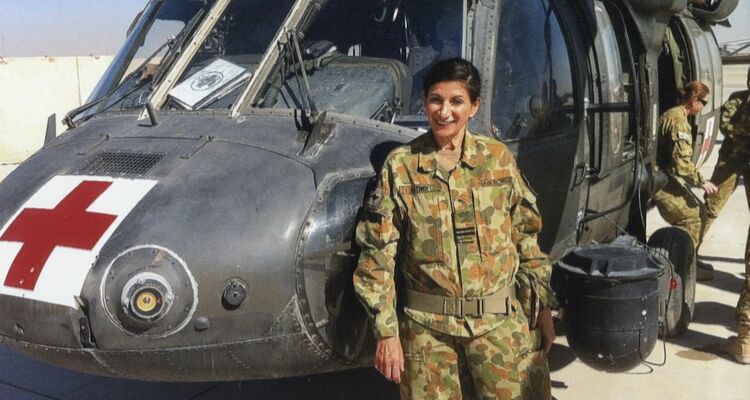
Flight Lieutenant Lynette Eather, Royal Australian Air Force
The Australian Defence Force (ADF) currently has over 32,000 active reservists, representing 33% of the total ADF workforce. The ADF Reserve force contributes to operational capability both domestically and offshore while also offsetting workforce shortages in specialist roles. Reservists come from all walks of life and are trained to serve in a military capacity if and when Australia should need them. Despite the critical role that reservists play to ensure the ongoing security and interests of our nation, their contributions are often overlooked. This Anzac Day we explore the service of Flight Lieutenant Lynette Eather, a specialist reservist with the Royal Australian Air Force (RAAF).
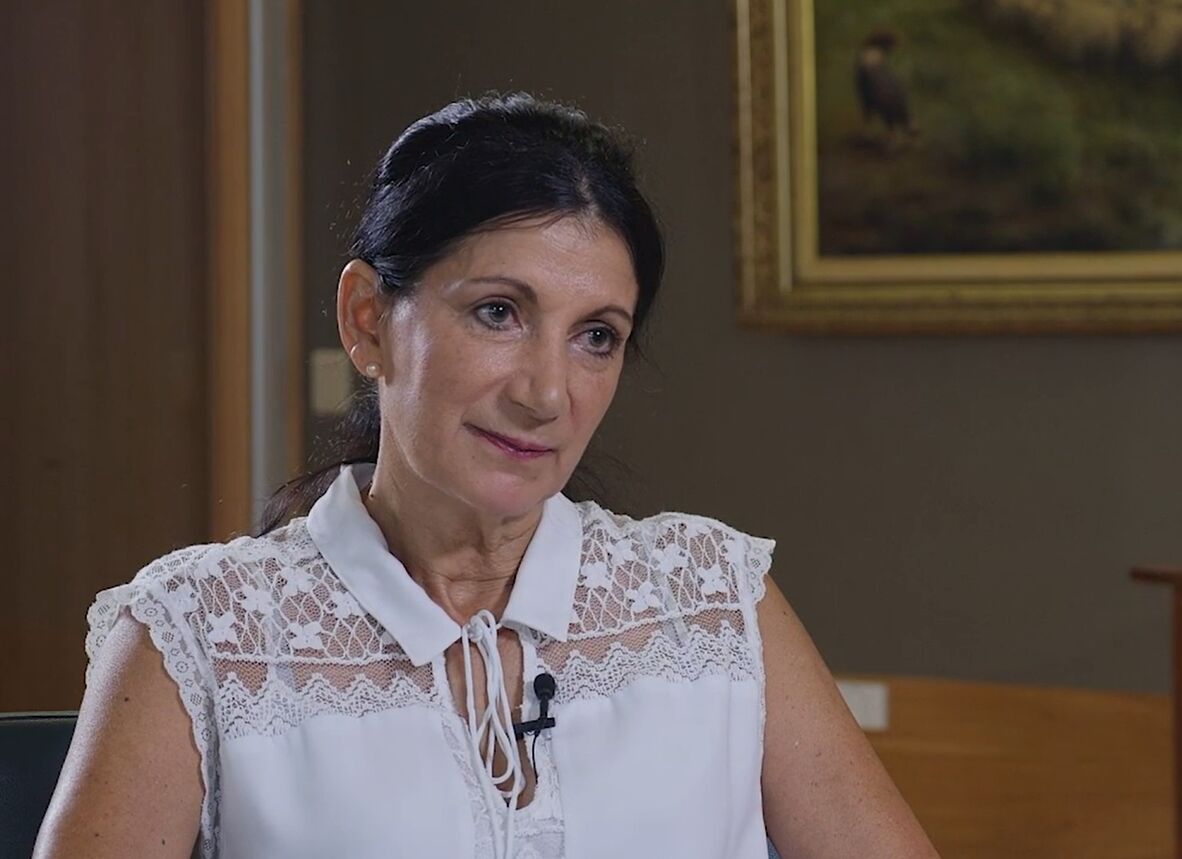
Lynette always considered herself a ‘caring person’ and from a young age desired a career that would allow her to put this trait into practice. Born in Toowoomba, on a small property, she completed her schooling at St Ursula’s College and Downlands College, describing it as ‘great schooling, loved it’. After school she pursued nursing, specialising in perioperative nursing, supporting patient care before, during and after surgical procedures. When reflecting on her career she acknowledges; ‘I'm pleased I picked nursing. Loved it, and still love every day I’m at it.’
Lynette began her career at Saint Vincent’s Private Hospital in Toowoomba. Following her marriage, she moved to the Gold Coast working at John Flynn Private Hospital in Tugun. Years later, seeking to challenge herself, she joined the RAAF as a specialist reservist, explaining;
2019
Specialist reservists, such as Lynette, are military personnel with specific professional skills, who bring expertise, training and experience from their civilian career. Due to workplace shortages the ADF actively recruits specific occupations, such as lawyers, IT specialists, tradespersons and medical professionals, to help bolster capabilities. There are currently more than 600 nurses in the ADF, with reservists accounting for half of this total number.
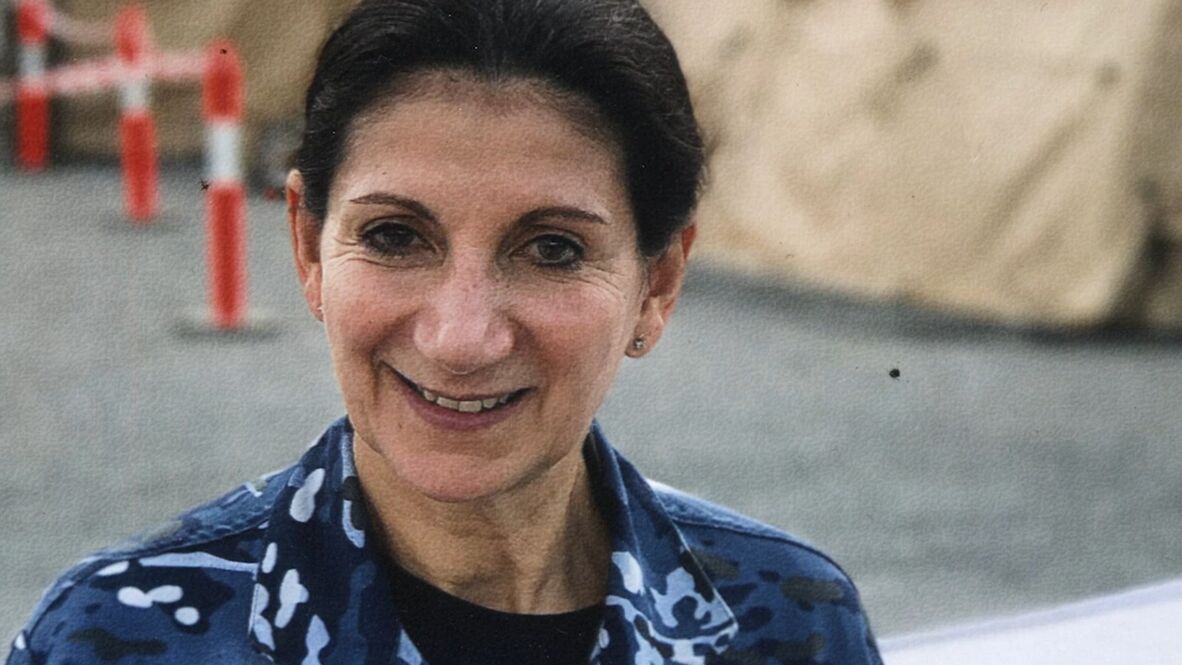
Lynette’s civilian experience in the medical system prepared her well for her service with No. 1 Expeditionary Health Squadron (1EHS) at RAAF Base Amberley. This unit delivers deployable aerospace health support to the RAAF and ADF for sustained operations or short-notice contingency deployments. Its capabilities include primary health and emergency departments, surgery, intensive care, dental, environmental health, general wards, pathology, medical imaging, logistics and a deployable health facility command and control element. The squadron is trained to provide lifesaving medical support in deployed environments, including while under fire.
In 2003, Lynette served as a Flight Lieutenant with the Australian Specialist Health Group (ASHG) at the NATO Role 3 Multinational Medical Unit in Afghanistan.
2019
NATO Role 3 was a world class trauma hospital staffed by dedicated medical professionals from Australia, American, Canda, Netherlands, Denmark, Britian and New Zealand. The hospital was responsible for providing medical care for more than 15,000 soldiers and civilian workers at Kandahar Airfield, as well as the tens of thousands of additional coalition soldiers stationed throughout Afghanistan. They treated a range of conditions from the common cold to severe traumatic blast injuries caused by improvised explosive devices (also known as IEDs). United States Navy Doctor Captain Michael McCarten, commander of the hospital in 2010 argued; ‘There’s essentially nothing that can come in here that we can’t handle’.
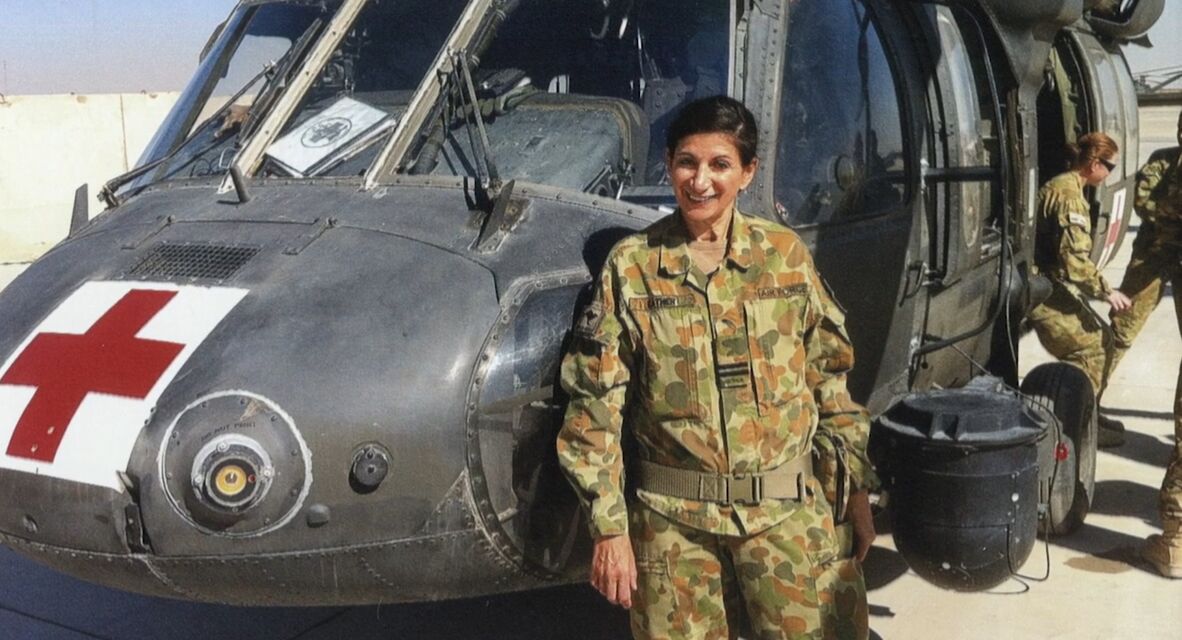
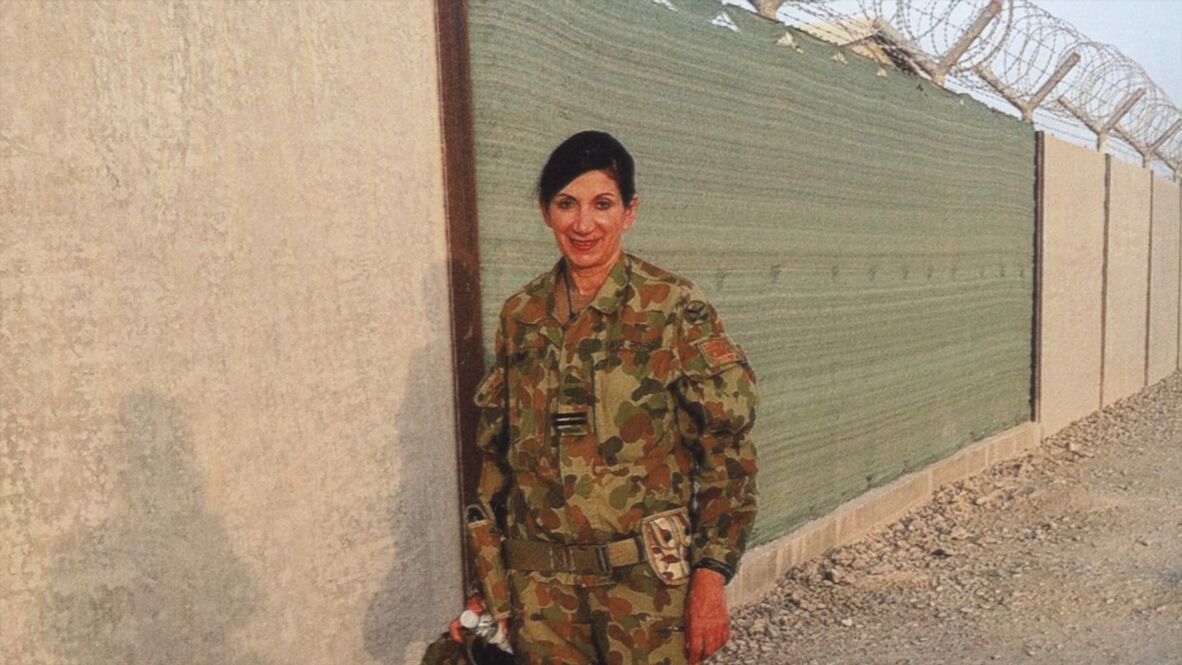
Military personnel stationed at NATO Role 3 faced constant danger, with the base often under threat from indirect fire and insurgent attacks. This is reflected in Lynette’s first memories of Kandahar;
2019
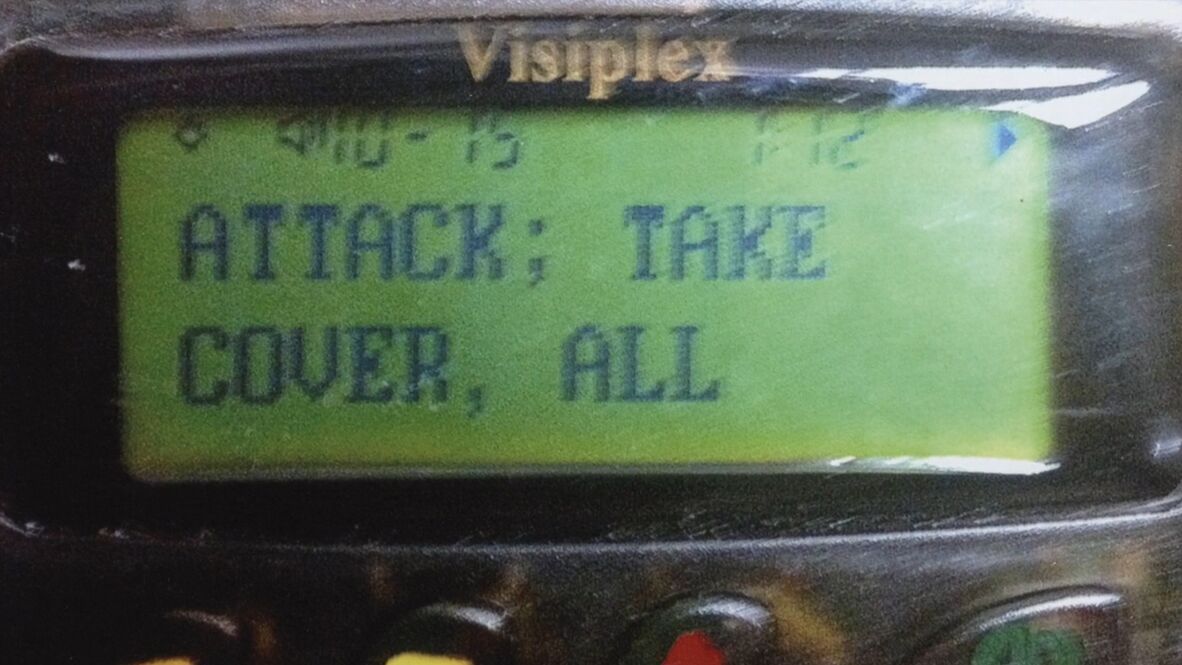
The sounds of sirens became a daily occurrence for Lynette, creating an environment of hypervigilance;
2019
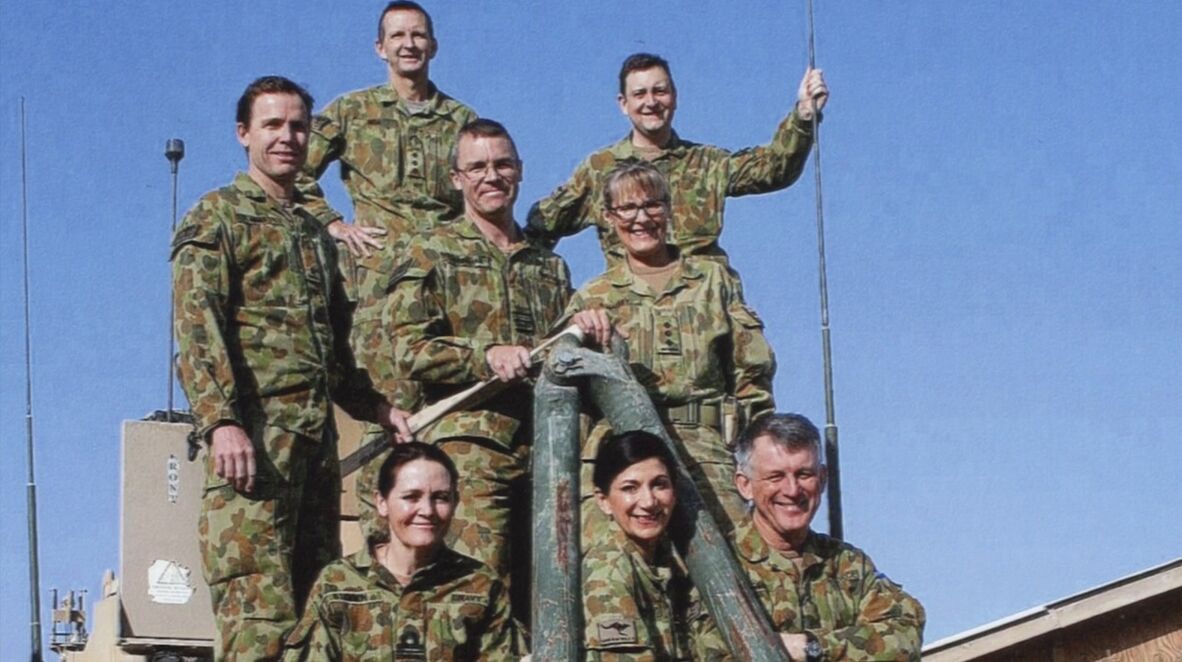
While stationed at Kandahar Lynette was part of a team of nine Australian medical professionals including a surgeon, anaesthetist, nurses and theatre staff. Unsurprisingly, during her five and half month deployment she formed a ‘very, very close’ relationship with her colleagues and was grateful that they ‘united as a group and worked really well together’. The team often treated patients with extensive traumatic injuries, with Lynette recalling one case;
2019
Lynette felt that her deployment to Afghanistan, while challenging, had been immensely worthwhile;
2019
In 2012 Lynette was involved in another overseas operation, this time serving on the 1,000-bed hospital ship USNS Mercy that delivers free medical, dental, veterinary and engineering aid to Indonesia, Philippines, Vietnam and Cambodia. The Mercy was part of the Pacific Partnership, an annual U.S. Pacific Fleet-sponsored training mission to draw together partner nations to respond to natural disasters. Since 2006 Australia has contributed ADF personnel each year to demonstrate a willingness to support peace, stability and humanitarian work.
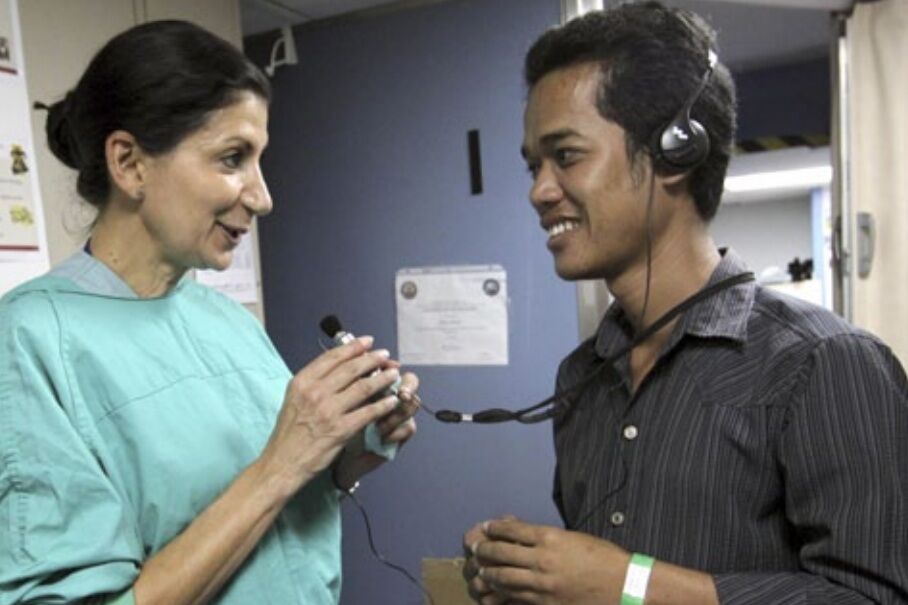
During this deployment Lynette met Lorn Siiha a 27-year-old Cambodian man who had been born with practically no hearing and communicated via sign language. Lynette and another ADF nurse brought Siiha’s plight to the attention of US Navy doctors on the Mercy. Siiha was brought aboard and tested, with doctors determining that he had severe hearing loss in one ear and mild to profound hearing loss in the other. Audiologists were then able to fit him with a personal amplifier, improving his hearing and situational awareness. This was a lifechanging moment for Siiha, who began learning to speak for the first time. Similarly, Lynette will never forget her experiences during the Pacific Partnership;
Air Force News, 16 August 2012
Outside of her role as a specialist reservist Lynette plays an active role in her community, volunteering as a lifeguard and first aid officer at the Tugun lifesaving club. In 2024, she was also part of a team from the Australian Hand Surgery Society who went on an outreach trip to the National Referral Hospital at Honiara in the Solomon Island. The purpose of the visit was to deepen collaboration with local medical staff and enhance patient safety protocols. During the trip Lynette worked closely with the local scrub nurses, helped to reorganise equipment to maximise the use of available resources and assisted with surgical procedures.
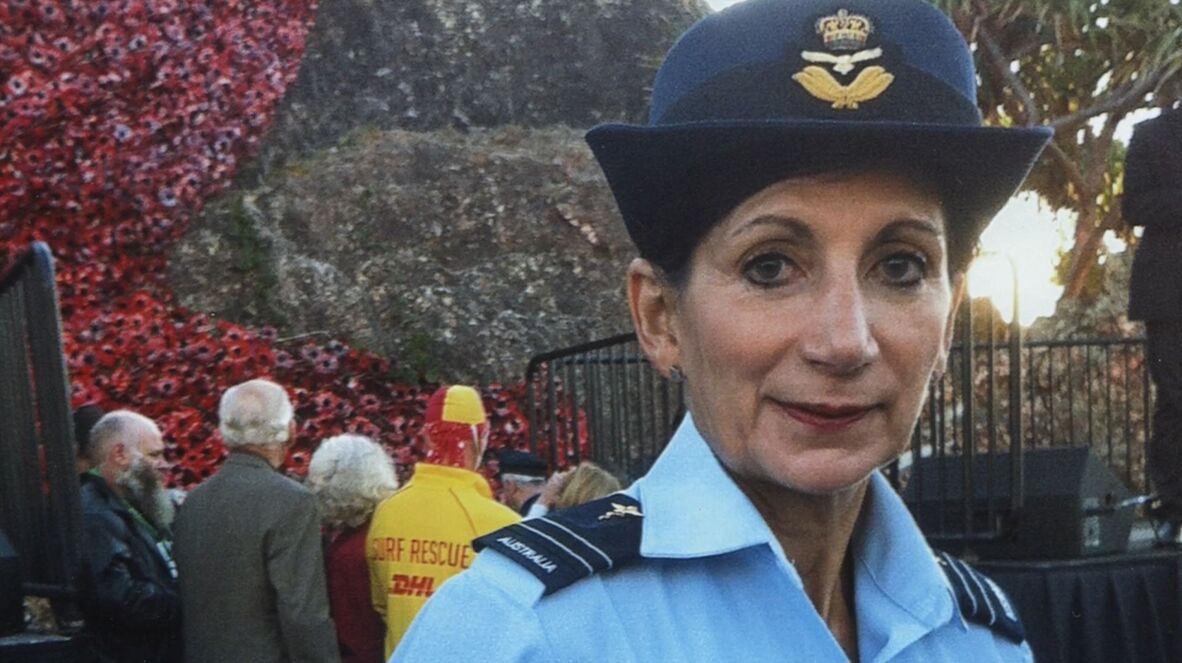
On Anzac Day Lynette attends the memorial service held at the John Flynn Hospital, laying a wreath for lost soldiers. She also attends the dawn service at Currumbin then spends the afternoon at the RSL meeting up with other service colleagues. This Anzac Day we acknowledge the service of Flight Lieutenant Lynette Eather and draw attention to the important role that reserve personnel play within the ADF, both on the homefront and aboard.
You can discover different ways to commemorate Anzac Day here.
Further Reading:
- Lynette Eather Digital Story
- Memories: FLTLT Lynette Eather, Air Force News, Thursday 16 August 2012
- Military nursing today:
- Welcome to Amberley: Annual Guide 2025
- Strategic Review of the Australian Defence Force Reserves
- USNS Mercy Hospital Ship
- Outreach Honiara October 2024: The Australian Hand Surgery Society