A family affair: The Foot brothers part two
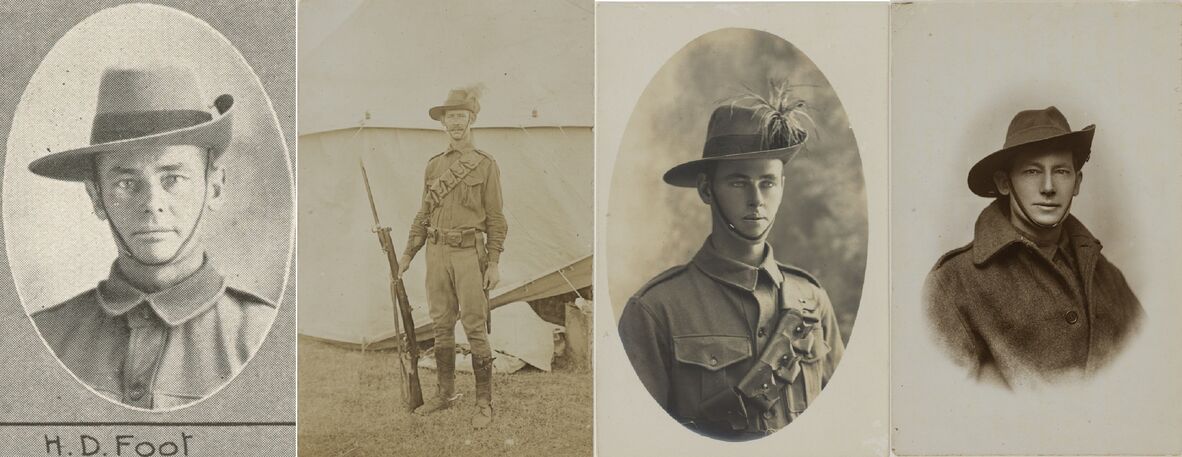
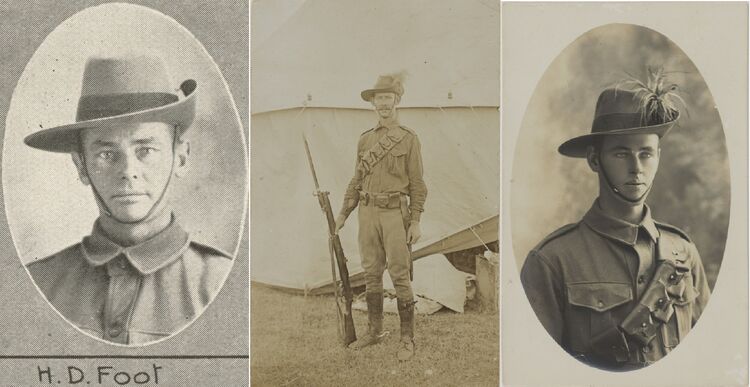
Using the State Library of Queensland’s extensive collection of correspondence and photos from the Foot Family, we are telling the story of the 4 boys who served with the AIF in World War I. This blog will look at George Foots’ experiences with the 5th Light Horse (LH) from the time of his evacuation from Gallipoli in December 1915 until his return to Australia. It will also cover the experiences of Eric Foot after he enlisted in 1917 and went to Europe. If you would like to learn what the four brothers (Hal, George, Eric and Alexander) did in 1914 and 1915 click here.
Service in the Middle East:
After their successful withdrawal from Gallipoli, George’s regiment, the 5th LH, returned to their old camp at Maadi and as part of the 2nd Light Horse Brigade joined the ANZAC Mounted Division. For George, being back in Cairo meant getting fit again. However, he had to have the stumps of 5 teeth, that had been broken by the hard biscuits in the trenches, pulled on his return. He also caught mumps and was hospitalised for 19 days. On 23 February, his Regiment moved from Maadi Camp to Serapeum on the Suez Canal where they continued training, much to George’s disappointment as he wanted to see more action. Though he did enjoy having the canal to swim in.
George's letter to pen pal Eileen, 2 March 1916
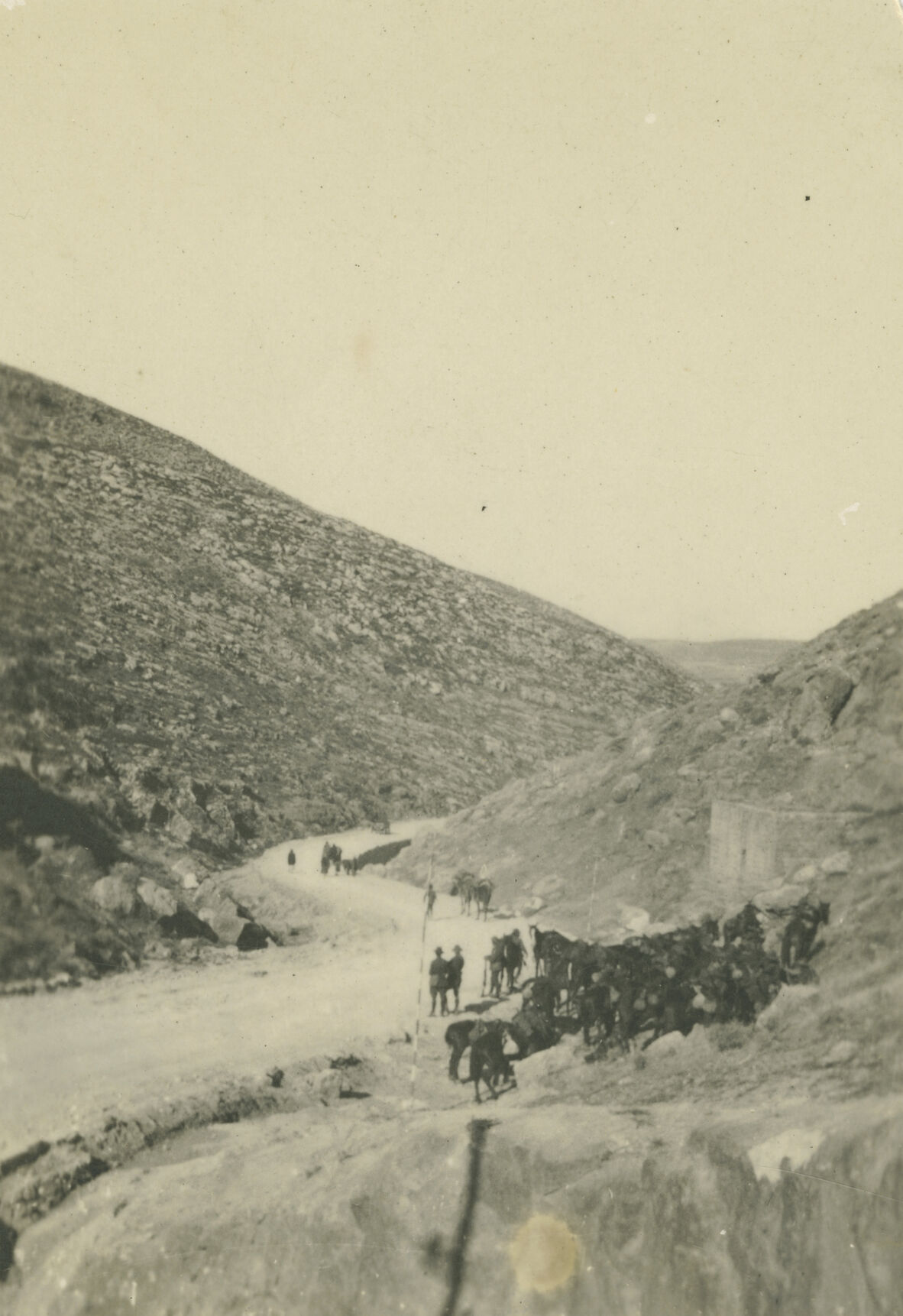
They moved camp again in early April from Serapeum to Dueidar on the eastern side of the canal and joined the forces defending it from a Turkish advance across the Sinai. Their main activity here was extensive patrols, and reconnaissance missions. George found the lack of action difficult but was made Temporary Sergeant on 1 June.
George's letter to his sister, 1 August 1916
In early August, troop movements from the Turkish were detected advancing towards Romani. On 3 August, the 5th LH headed out of Dueidar toward Nagid for further reconnaissance. Once they sighted the enemy and located their left flank, they returned to Dueidar to report. Next day they were sent out again and were part of the forces who tried to take Qatia Oasis. The 5th LH were ordered to charge the strip of timber separated from the main oasis by a swamp as the Turkish Guns were reported to be there.
George’s letter to his mother, 2 August 1916
The rest of the Oasis was strongly held by the Turkish, so the force returned to Romani to bivouac for the night. The enemy began to withdraw, but the 5th LH were heavily shelled as they approached enemy positions. During the attack on Bir el Abd, on 9 August George was wounded in the right leg.
George's letter home, 14 August 1916
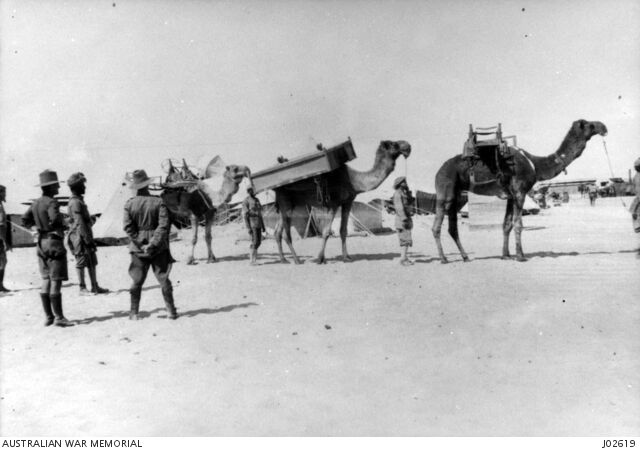
After riding his horse to the dressing station, where they bandaged his leg again, he rode a further 3 miles to the Field Hospital. From here he was transported by camel, an overnight journey, to the Rail Head. Then by train to Kantara, followed by a short run in a motor ambulance to another train finally arriving at the 3rd AGH Cairo about 37 hours after being hit.
This wound proved to be the end of George’s war as although the bullet hole healed, problems with the leg, including a ‘traumatic aneurism’, led to two operations. After the second operation on 11 October, he was advised he shouldn’t ride for 12 months so was to be repatriated to Australia. For his good work with the machine gun section, he was promoted to Sergeant on 30 August.
As well as letters to his family, George had kept up a constant correspondence with Eileen Marshall, a young family friend in Townsville. The prolific letter writing between the two of them led to a new closeness. However, while George was desperate to see and talk to Eileen (rather than only writing), he also seemed to have been nervous about his reception.
George's letter to pen pal Eileen, 12 January 1917
Homecoming:
After a frustrating wait in Cairo George finally boarded the Euripides bound for Australia on 21 January 1917. His homecoming was an occasion.
George's letter to pen pal Eileen, 4 March 1917
He was discharged from the AIF on 19 March 1917 and returned to Cardington, the family farm, to work with his younger brother Alfred (Dick). While Dick was desperate to join the AIF George was adamant he would not until he was of age. Fortunately, Dick didn’t turn 18 until 22 December 1918, so was spared. Dick remained in charge of Cardington until his sudden death in January 1965.
By the tone of the letters, George wrote from Cardington to Eileen down in Townsville, it appears his previous worries had been unfounded. In fact, from when they finally got to see each other in April it would appear they declared their love for each other.
George's letter to sweetheart Eileen, 17 April 1917
This new romantic aspect to their relationship led to the announcement of their engagement in the Townsville Bulletin on 22 August 1917. There is a collection of letters from George at Cardington to Eillen in Townsville from April 1917 until May 1918. In these letters he gives her news of happenings on the station but also continues to profess his love.
George's letter to sweetheart Eileen, 27 February 1918
George continued to write several times a week until their wedding on 5 June 1918. His best man was also a Gallipoli veteran and for their honeymoon the couple headed to the Cairns hinterland.
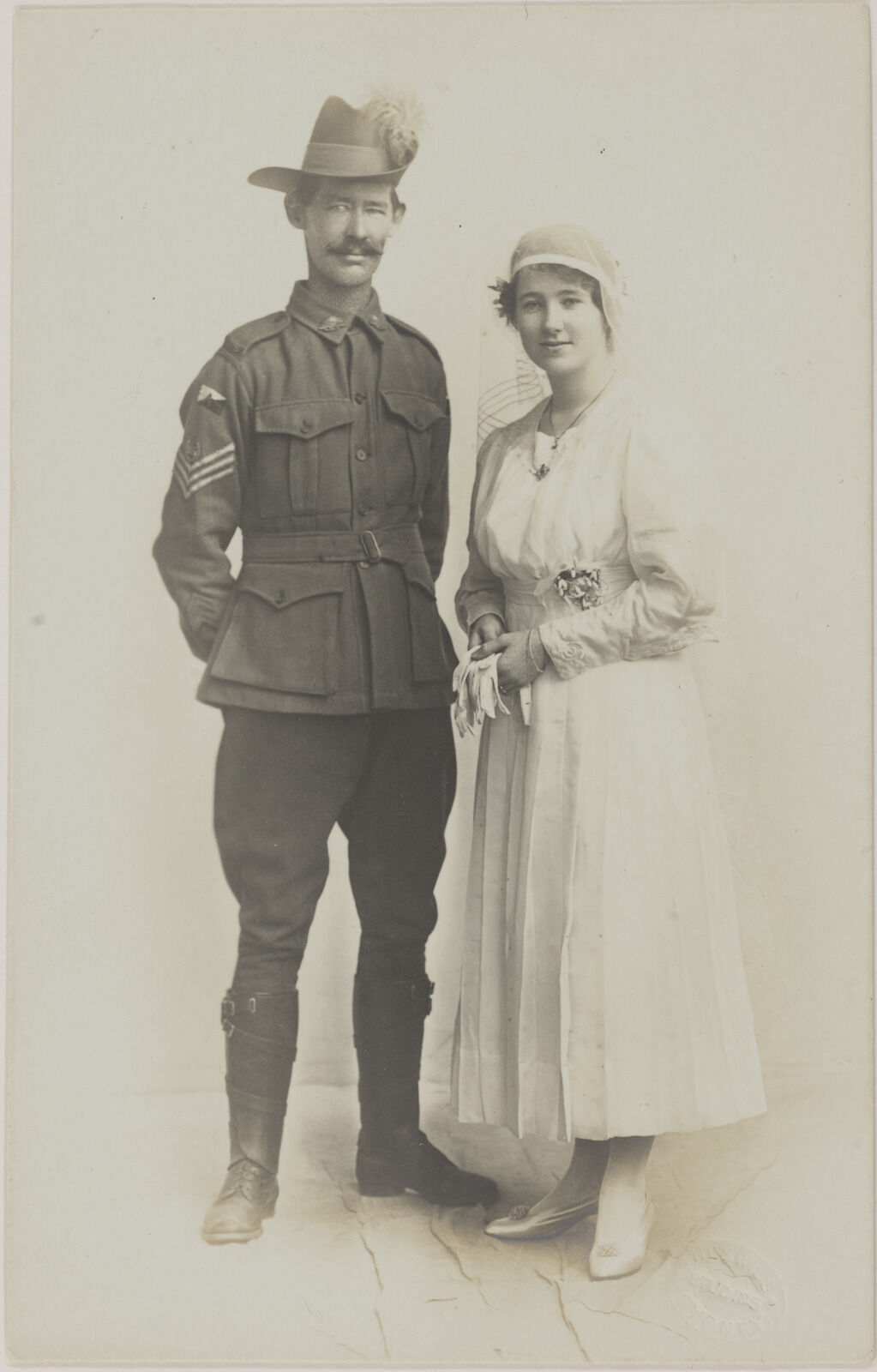
Soon after their marriage George and Eileen moved to a station located east of the Willows Gemfields in Central Queensland. George called the property ‘Duiedar’ after the British Camp where the 2nd LH Brigade were garrisoned from April to the end of July 1916.
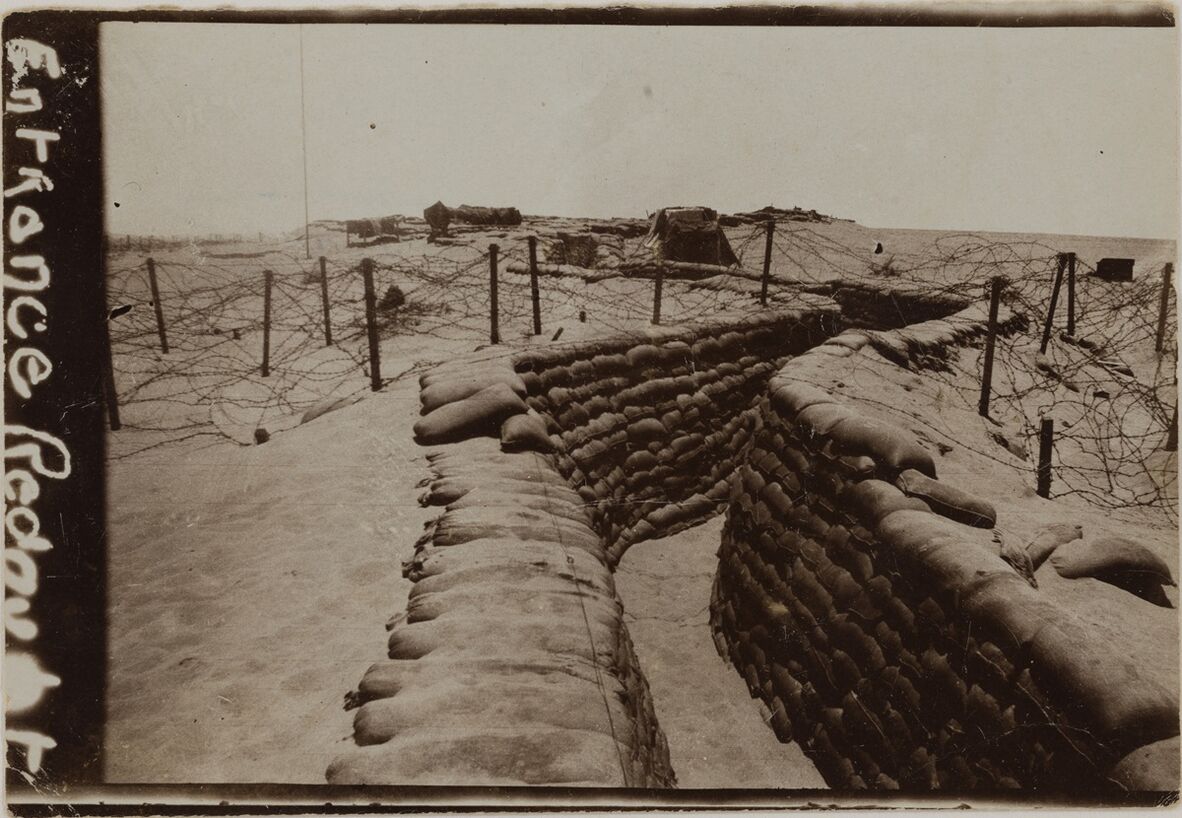
On 6 January 1923 their first child, Alfred Marshall Foot, was born and when he was apart from them in November that year George signed off:
George's letter to wife Eileen, 4 November 1923
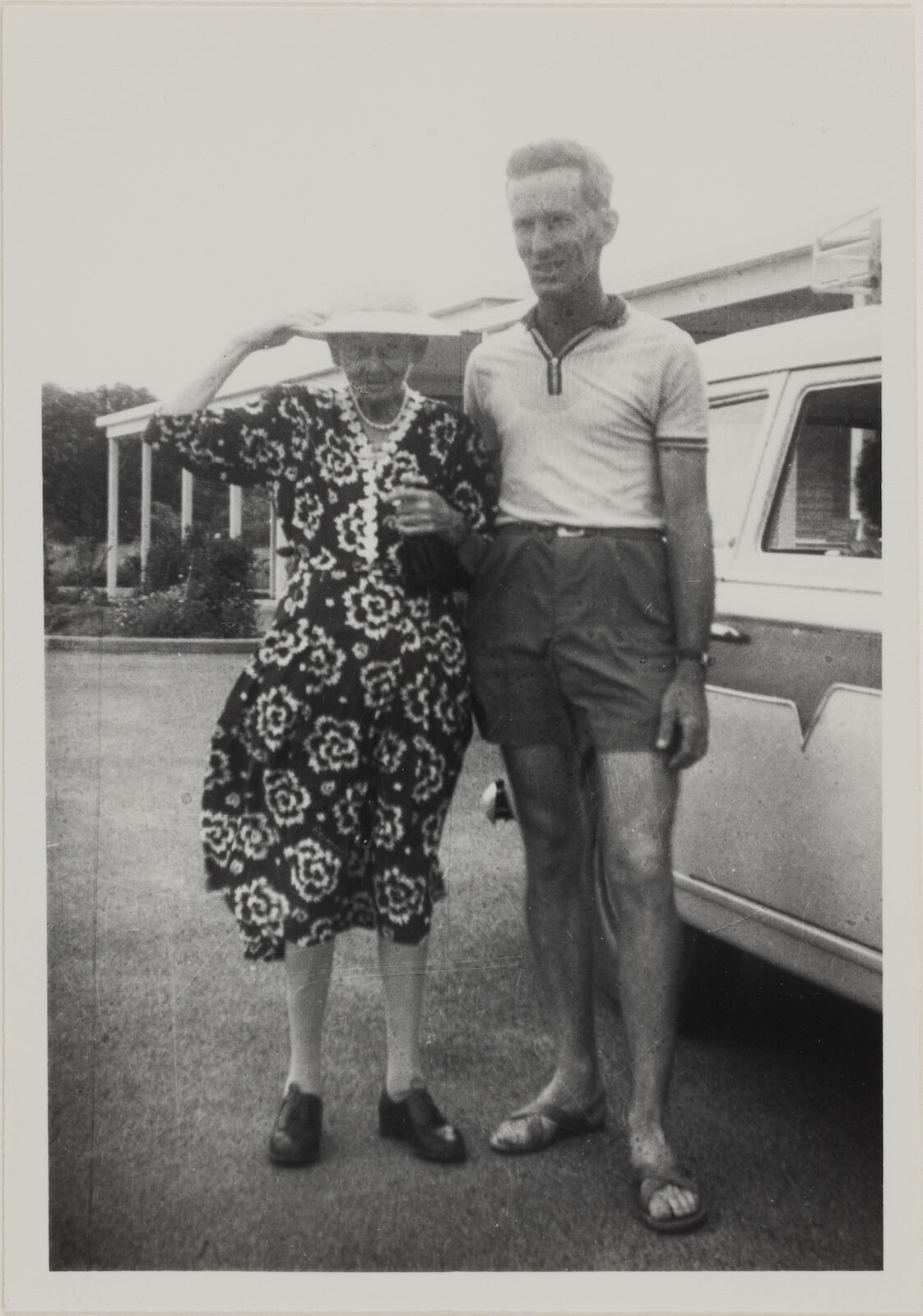
A daughter, Betty Ailsa, was born on 23 February 1928. George and Eileen stayed at Duiedar until around 1948 by which time George was over 60. In their later life they lived on Alfred’s property Stirling, near Wowan (about 80km southwest of Rockhampton).
George would lose his love, Eileen, in 1955 when she was only 57. He lived until 1962 when he was 77.
European Campaign:
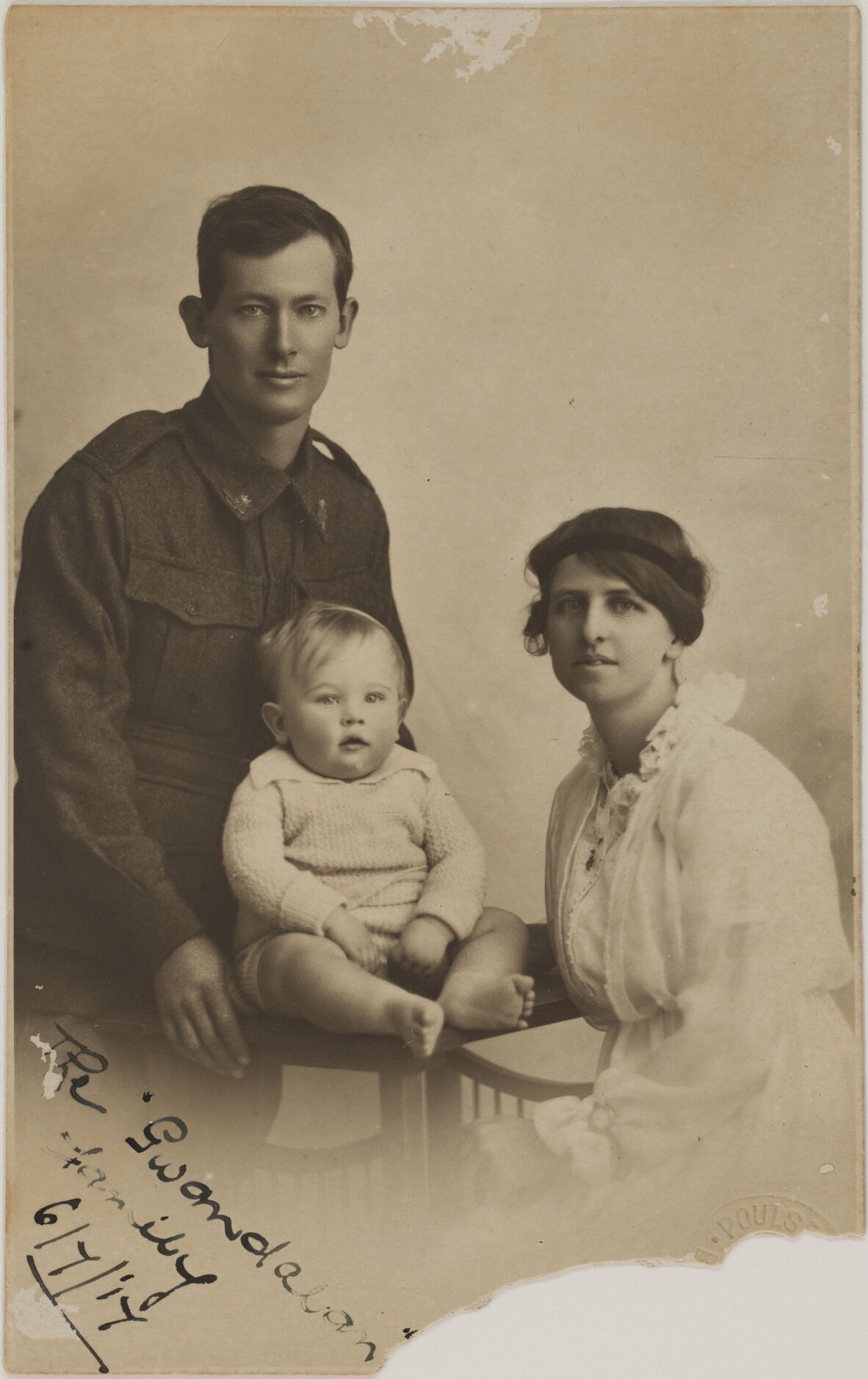
Soon after George’s return on 15 May 1917, Eric Douglas Foot (#4046), aged 27, enlisted in the AIF with the 4th Pioneers. He would leave Hilda and their son, Henry Daintree Foot (named for his uncle Hal, killed at Gallipoli) with the family. Eric embarked from Sydney on 1 August 1917, 5 days after Henry celebrated his first birthday. On arrival in Liverpool, he was sent to Sutton Veny where he received training for the Pioneers as a signaler. In April 1918 the family received a cable from Eric and George commented in a letter to Eileen:
George's letter to wife Eileen, 27 April 1918
This was correct as Eric was sent overseas to France on 19 March 1918. He served there with the 4th Pioneers who were part of the 4th Division AIF. With the German Spring Offensive, which started on 21 March 1918, the Pioneers played a role in defensive operations, supporting the 4th Division around Dernancourt in March and April. This is probably where Eric first saw action. They continued their work with the 4th Division during the Allies' Hundred Days Offensive and in mid-September were part of the assault on the Hindenburg Line at Bellenglise along the St Quentin Canal. After the Armistice, the Pioneers remained in Europe performing battlefield clean up tasks including burying the dead. Eric surely would have seen his fair share of the horror that was the Western Front.
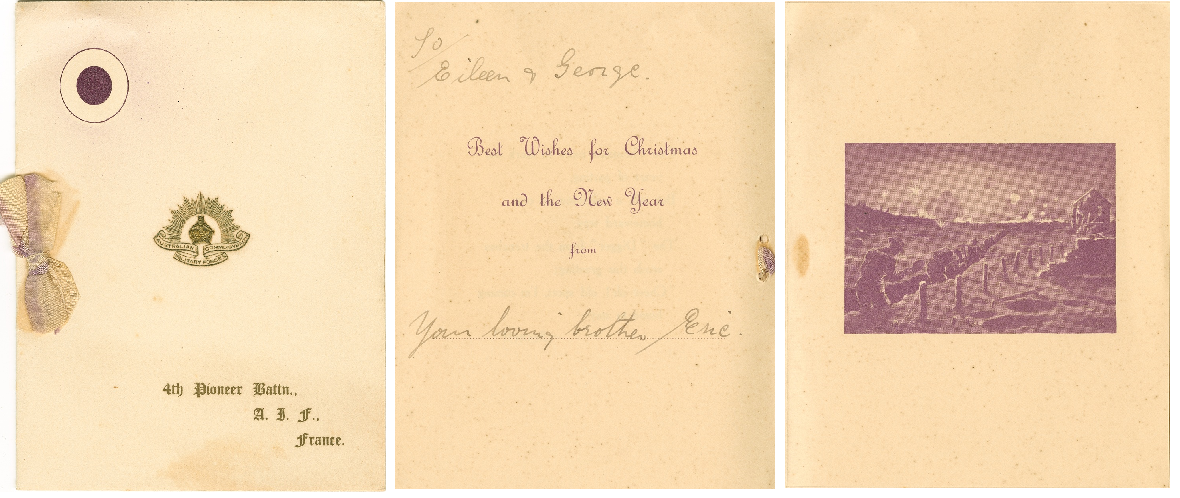
It wasn’t all work as Eric also got to see Paris when he was granted leave there in December 1918. On his return to England, he was granted 3 months leave with pay from 17 April 1919 to undertake ‘Non-Military Employment’. He went to Lolworth Cambridgeshire to farm. However, his leave was cancelled on 13 June, and he was given permission for early return to Australia. He arrived back in Australia in September 1919 and was discharged a month later. Eric and Hilda went to the Hughenden district on his return, and bought the cattle property, Tenterfield Park, and later purchased Boonderoo. They still lived there when Eric died of illness in January 1944, aged just 45. Hilda was broken-hearted and alone. Their son Henry (Hal) had enlisted in Airforce early in World War II and was serving as a Squadron Leader with the RAAF in the Middle East.
Hilda's letter to George, 5 January 1944
The letters, photos and other items in the Foot Family Papers enable us to get to know this pioneering family of North Queensland. Hearing the boys' experiences in their own words, through their diaries and correspondence, gives us great insight into their involvement in World War I. This Anzac Day we remember the contribution and sacrifice of the Foot brothers and honour their legacy.